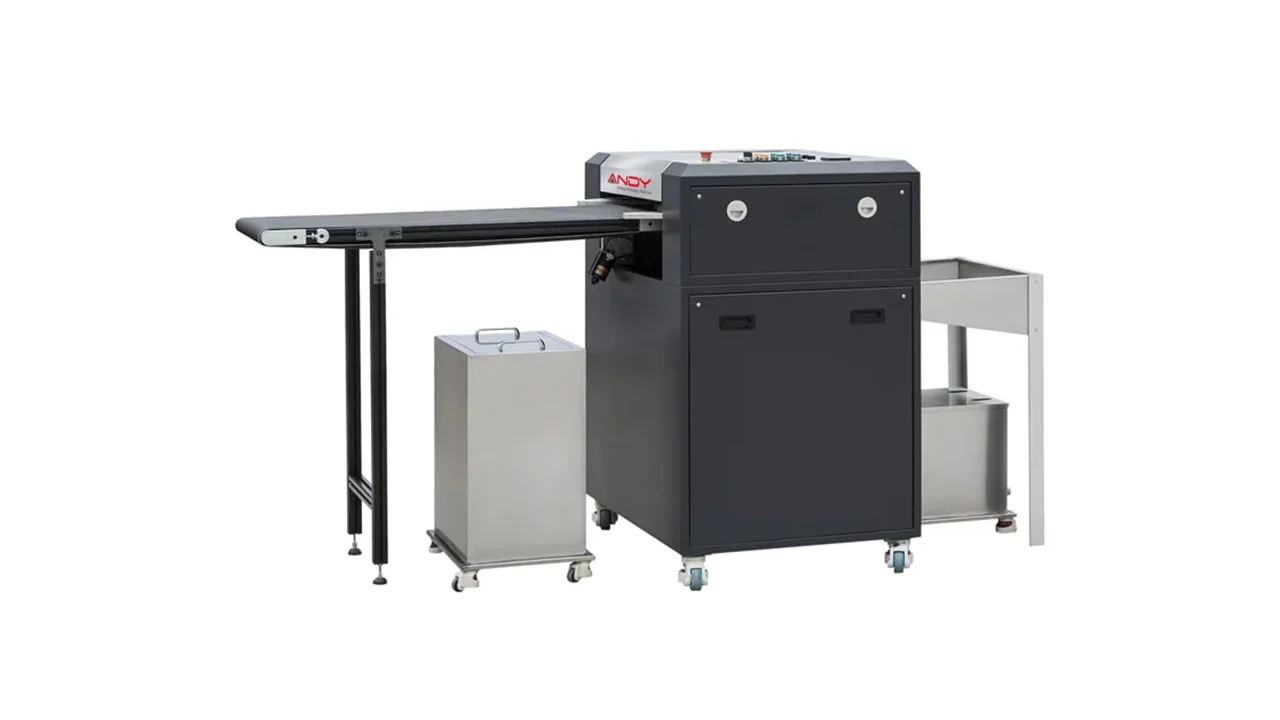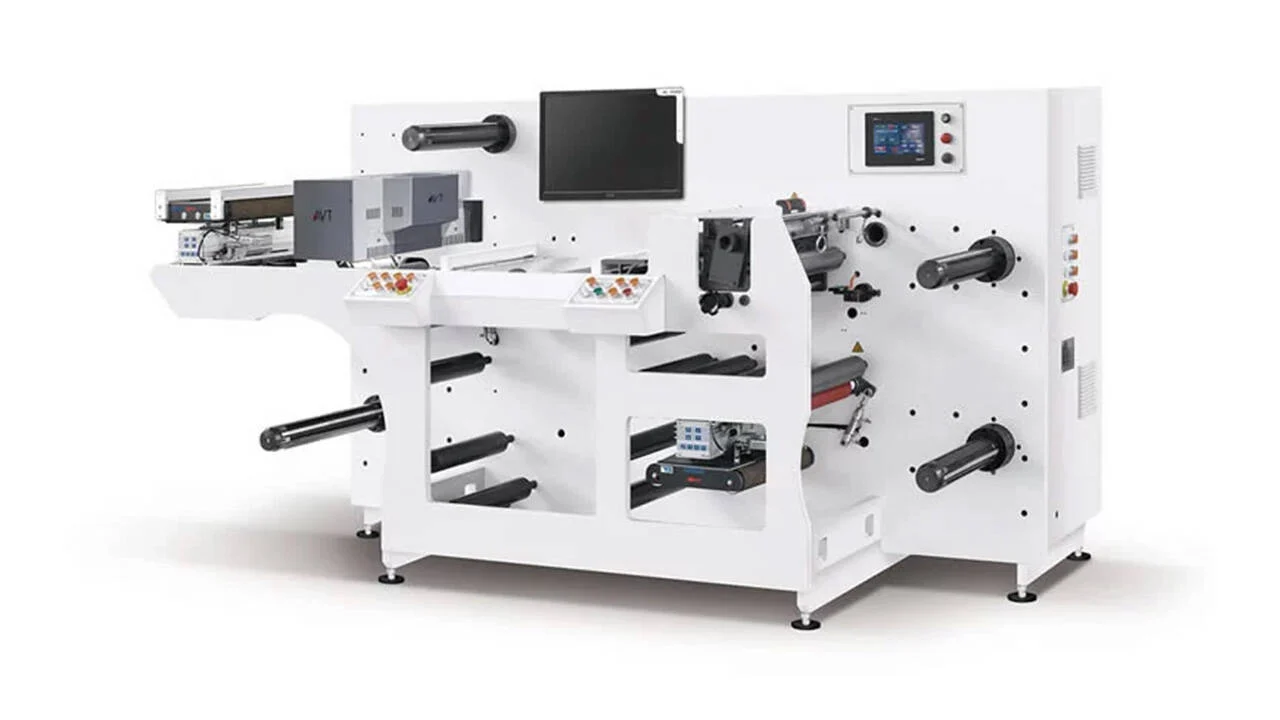
Label defects can lead to customer complaints, the need for product rework, material waste, and delivery delays. While manual inspection may suffice for small-scale production, higher-volume operations typically require a more standardized and systematic inspection process.
This is where label inspection machines come in. These systems assist printing companies in examining printed labels, identifying issues such as missing labels, color variations, scratches, registration errors, and other visible defects.
So, what exactly is a label inspection machine, and how does it work? Let’s take a detailed look.
What Is a Label Inspection Machine?
Label inspection and verification utilize advanced machine vision technology to examine product labels, ensuring their accuracy, readability, and compliance with regulatory standards. This process can identify a wide range of defects—from textual errors and printing misalignments to physical flaws like creases or tears—as well as any inconsistencies that compromise the integrity of the label.
Real-time error detection prevents defective products from moving further along the production line. By identifying errors early, these systems stop minor issues from escalating into more serious and costly failures. This represents a shift toward a “proactive” quality management model, significantly enhancing operational robustness.
How Label Inspection Machines Work
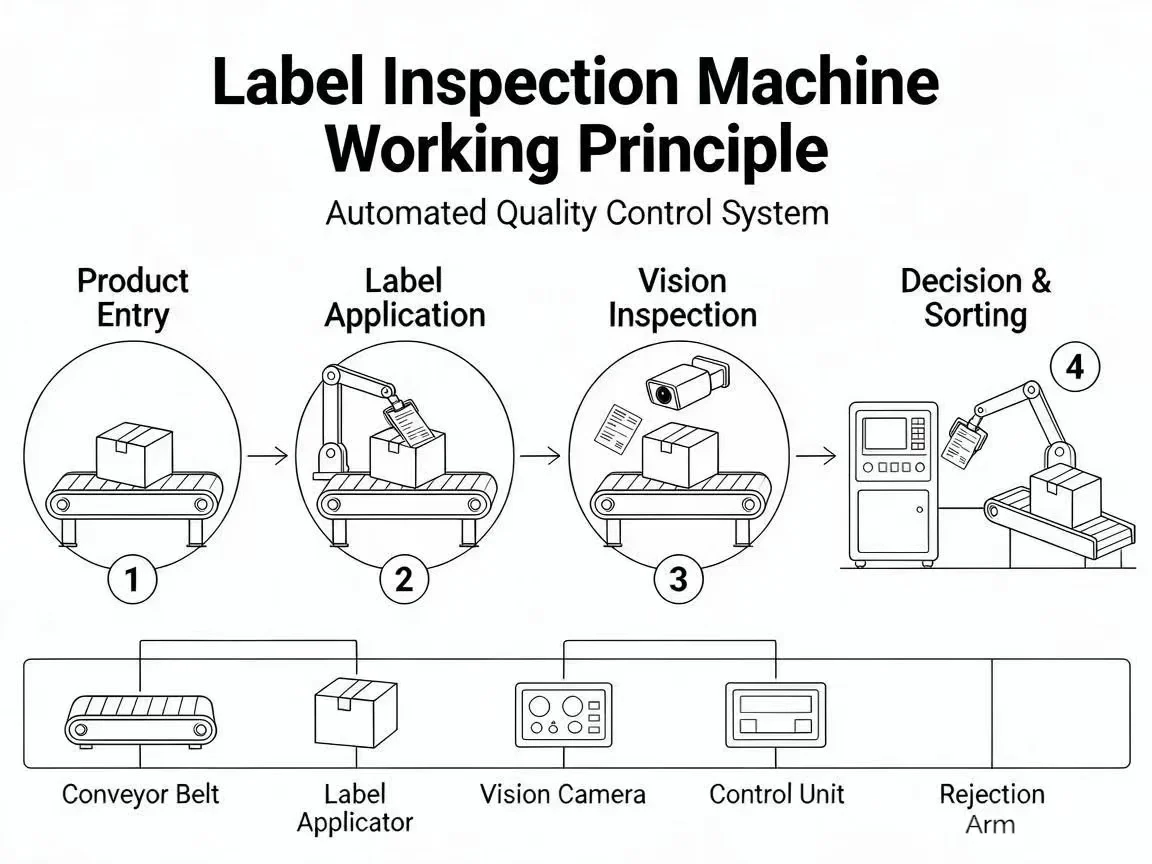
The operation of a label inspection machine is highly sophisticated. At its core, it relies on machine vision technology—integrating optical imaging, image-processing algorithms, and automated controls—to emulate human visual perception. This enables high-speed, precise, and automated quality inspection, replacing manual checks for issues such as missing, misprinted, or misaligned labels, and automatically rejecting non-conforming products.
The advantages of this fully automated process are substantial: these systems can be integrated into high-speed production lines processing hundreds or even thousands of items per minute, maintaining a consistent inspection precision of ±0.1mm—all without the risks of human fatigue or emotional fluctuations.
The Role of Label Inspection Machines
The primary function of a label inspection machine is to replace manual visual inspection by automating the entire label-checking process on the production line. This ensures that defective labels are caught at the source, preventing them from reaching the next stage of production or the customer, while simultaneously reducing production risks and labor costs.
Barcode and QR Code Quality Verification: Ensures that barcodes are clear and readable, while identifying issues such as duplicate, incorrect, or missing codes to guarantee full-chain product traceability.
Print Defect Detection: Precisely identifies subtle flaws—including missing characters, smudges, ribbon wrinkles, or foreign contaminants—to ensure high-quality label printing.
Label Application Inspection: Checks for misaligned, wrinkled, damaged, or detached labels, and verifies that any positional deviation remains within specified tolerances.
Content Consistency Verification: Uses OCR (Optical Character Recognition) or template matching to confirm that the text, numbers, and graphics on the label perfectly match the production order, preventing mix-ups or mislabeling.
Summary
Label inspection machines are widely used for quality control across industries such as food, pharmaceuticals, cosmetics, and electronics. If you are looking for a suitable label inspection machine for your project, please feel free to contact us—Andymachinery is here to assist you.